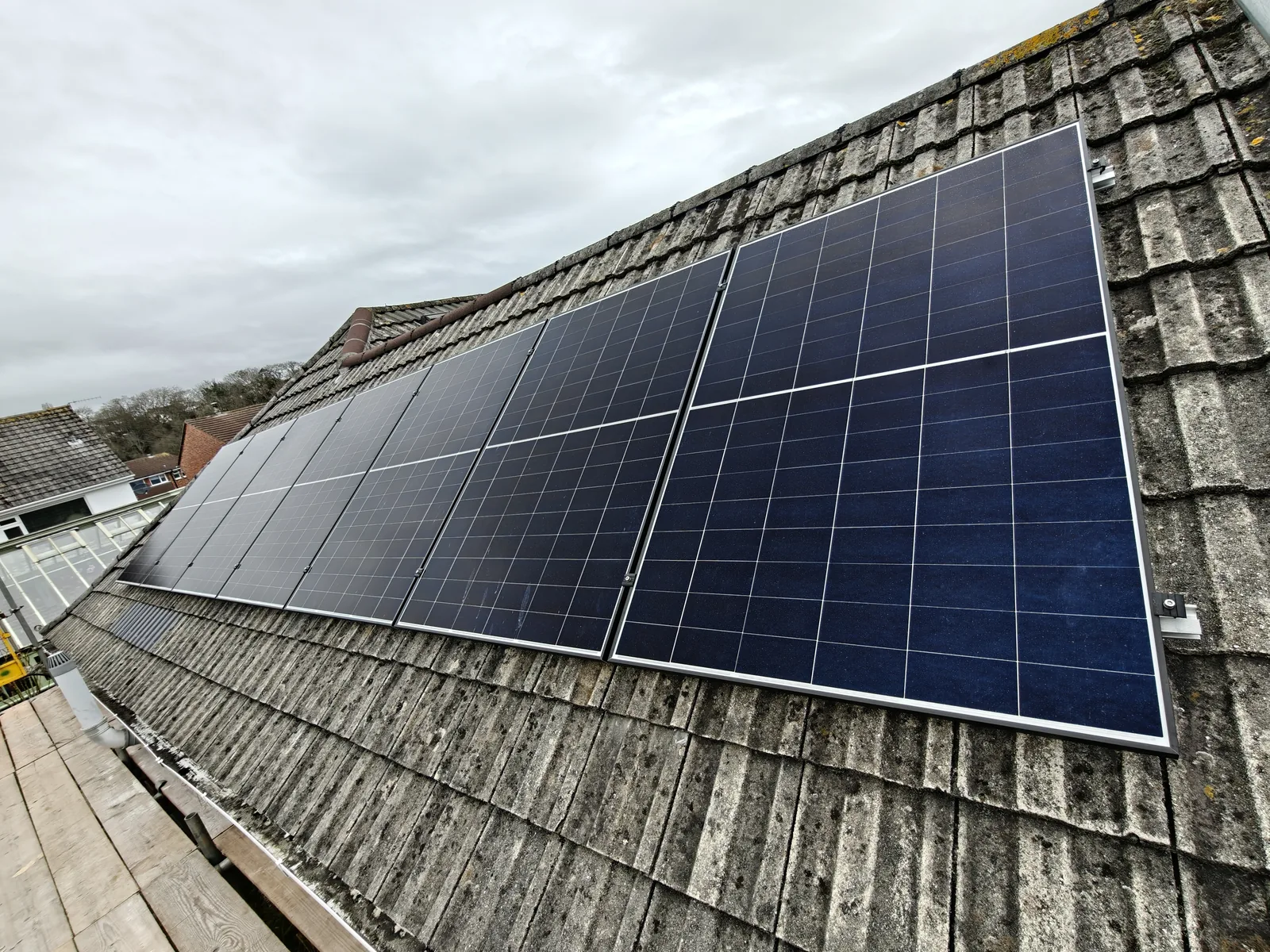
As the clocks go back and the evenings draw in, we often hear the same question from customers and people thinking about solar: "Is there any point in solar panels in winter?"
It's a fair question. Devon is known for plenty of things, and wall-to-wall winter sunshine isn't one of them! So here's an honest look at how solar panels perform during the colder months in the South West, and how to make the most of your system all year round.
Yes, Solar Panels Still Work in Winter
Solar panels generate electricity from daylight, not heat. As long as there's daylight, your panels are producing some power, even on cloudy days.
In fact, solar panels don't mind the cold at all. They tend to work more efficiently at cooler temperatures than on a scorching summer's day. A crisp, clear winter morning can be a surprisingly good time for generation.
Why Winter Output Is Lower
That said, it would be wrong to pretend winter output matches summer. It doesn't, and there are a few simple reasons why:
- Shorter days: fewer hours of daylight means fewer hours of generation.
- Lower sun: the sun sits lower in the sky, so its light reaches the panels at a less direct angle and passes through more of the atmosphere.
- More cloud: thick, grey days reduce how much light reaches the panels.
- Shading: low winter sun can cast longer shadows from trees, chimneys and neighbouring buildings.
Snow can also cover panels for a while, though here in South Devon it rarely hangs around for long.
Think About the Whole Year
The best way to judge solar is over a full year, not a single month. Spring and summer do the heavy lifting, with long days and strong sun, while autumn and winter contribute less. A well-designed system is planned with this in mind, so the overall picture makes sense for your home and your energy use.
That's why careful design matters. When we plan a system, we look at your roof's direction and pitch, any shading (including winter shading), and how you use electricity throughout the year.
How a Battery Helps in Winter
Battery storage really comes into its own in the darker months, in two ways:
- Storing your solar power: Any electricity your panels generate during the day can be stored and used in the evening, when you're home and demand is highest, rather than being exported.
- Charging on cheaper rates: On some time-of-use tariffs, a battery can also top up from the grid when rates are lower (often overnight) and power your home during more expensive times. Tariffs vary by supplier, so we'll help you understand what's possible with yours.
If you'd like to read more, take a look at our post on why solar panels and battery storage make sense for Devon homes and businesses.
Simple Ways to Get More From Your System This Winter
- Keep panels clean: Winter brings leaves, storm debris and grime, and every bit of light counts when the days are short. Our solar servicing and cleaning keeps panels in good shape.
- Shift your usage: Where you can, run dishwashers and washing machines in the middle of the day when your panels are generating.
- Check your monitoring app: Keep an eye on generation. If output drops more than you'd expect for the weather, it may be worth getting the system checked.
- Review your tariff: If you have a battery, make sure your tariff and battery settings are working together.
- Book a check-up before winter: A service in autumn means any issues are spotted before the weather turns.
Planning Ahead for Spring
Winter is actually a great time to plan a new solar installation. Getting your design agreed and your system fitted in the quieter months means you'll be ready to make the most of longer days as soon as spring arrives. Explore the systems we install on our solar panels in Devon page.
Talk to Swaye
Whether you already have solar and want to get more out of it, or you're thinking about panels for the first time, we're happy to give honest, no-pressure advice.
Swaye Group
- Call: 01752 200496 or 07916 733824
- Email: info@swayegroup.com
- Visit: Unit CF16, Redlake Trading Estate, Ivybridge, PL21 0EZ